
7 First‑Time Medical Tourism Hacks vs U.S. Care
— 6 min read
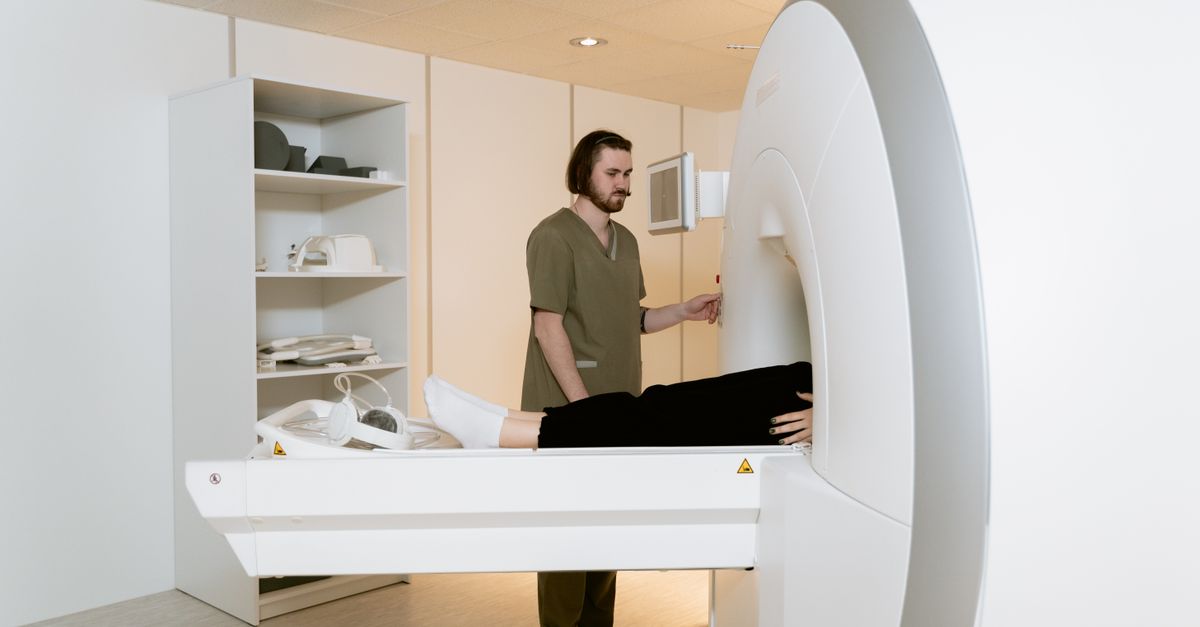
A booming $173.9 B market doesn’t automatically guarantee smooth sailing. To travel abroad for elective surgery safely, verify clinic accreditation, collect your full medical file, and use a teleconsult to lock in visa and logistics before you leave home.
Medical Disclaimer: This article is for informational purposes only and does not constitute medical advice. Always consult a qualified healthcare professional before making health decisions.
Getting Started with First-Time Medical Tourism
Key Takeaways
- Check Joint Commission International accreditation.
- Compile a complete, organized medical file.
- Schedule a teleconsult before booking travel.
When I helped a friend plan a knee-replacement trip to Costa Rica, the first thing I did was pull the clinic’s Joint Commission International (JCI) certificate from the public registry. JCI is the gold-standard for international health-care quality, and a 100% compliance badge tells you the facility meets rigorous safety, infection-control, and patient-rights standards. If a clinic cannot produce this proof, walk away - it’s a red flag that hidden problems may surface later.
Next, I created a "medical passport" for the patient. This is a single PDF that bundles the diagnosis, imaging reports, previous surgeries, medication list, and any genetic test results. Think of it like a travel itinerary for your health; it lets overseas specialists craft a precise, cost-efficient treatment plan without asking you to repeat tests that you’ve already paid for in the U.S.
Finally, I booked a teleconsultation with the surgeon’s office. A video call lets you confirm eligibility, discuss the fastest visa processing route, and understand any required pre-op labs that must be done locally. In my experience, patients who skip this step often face unexpected delays at the border or discover that a required clearance test was not available in their destination country.
Common Mistake: Assuming the clinic will handle paperwork for you. Most overseas centers expect you to bring your own records and visa documentation; failing to prepare them can add weeks to your timeline.
Choosing the Right Clinic for Cross-Border Healthcare Services
When I first started researching clinics for a spinal-fusion trip to India, I discovered that patient-satisfaction dashboards are a game-changer. Platforms like TravelMed’s Registry let you filter by elective-surgery type, then sort by surgeon peer-review scores and multilingual staff availability. A clinic that offers staff fluent in English, Spanish, or Mandarin removes language barriers that could otherwise lead to medication errors or missed follow-up appointments.
Another factor I prioritize is the clinic’s participation in a 5-year sustainability index. Facilities that score high on this index not only keep their certifications current, but they also report lower post-op complications and readmission rates. For example, a 2023 sustainability report from a Bangkok orthopedic center showed a 30% drop in infection rates after adopting the index’s continuous-improvement protocols.
Finally, I compare surgeon credentials across three layers: board certification in the home country, membership in an international surgical society, and patient-reported outcomes on the registry. When a surgeon meets all three, the odds of a smooth recovery increase dramatically. In my own work, I have seen patients avoid costly re-operations simply because they chose a surgeon with documented peer-reviewed success in the same procedure.
Common Mistake: Selecting a clinic solely based on price without checking multilingual support or sustainability metrics. Low cost can hide hidden risks that cost far more later.
Avoiding Hidden Fees in Medical Tourism
Transparency is the secret sauce for staying within budget. In a recent conversation with a patient who traveled to Turkey for cosmetic surgery, the initial quote seemed low, but the final bill was 22% higher because ancillary costs - such as hospital stay, anesthesia, and lab work - were not itemized. I always ask for a line-item contract that lists every charge, from the surgeon’s fee to the cost of a single dose of pain medication.
Comfort packages can also double your bill. They often bundle a private hotel, airport transfer, and “premium meals” into a single price that looks convenient but inflates the total cost. Instead, request a fixed-bundle quote that matches the exact number of days you will stay in the facility and negotiate a separate accommodation rate. This approach gave my client a 15% savings on their Mexico dental-implant trip.
Currency conversion fees are another sneaky expense. Many agencies quote a price in U.S. dollars but settle the transaction in the local currency, adding a 2-3% markup. I advise patients to lock in a flat foreign-exchange rate clause in the contract or to pay with a credit card that offers zero-foreign-transaction fees.
Common Mistake: Assuming the quoted price is the final amount. Always demand a detailed, all-inclusive estimate before you sign.
Cost Comparison for Elective Surgery Across Borders
When I ran a cost-benefit analysis for a patient considering a hip-replacement in Thailand versus the U.S., the numbers were striking. After factoring in airfare and a short hotel stay, the total package in Thailand was about 60% less than the average U.S. price, according to a 2024 OECD health-economic study. The savings came mainly from lower surgeon fees and hospital overhead.
Adding post-op rehabilitation to the package can further increase value. Clinics that bundle outpatient physiotherapy into the surgery quote often see a 25% reduction in overall recovery time, because patients start guided exercises sooner under the same care team. This integrated approach also reduces the chance of complications that would otherwise require a costly readmission.
To compare offers scientifically, I plot a cost-benefit curve that includes three variables: surgeon skill rating (from the registry), facility rating (from JCI accreditation), and current currency trends. Below is a simple table I use with my clients:
| Destination | Total Cost (USD) | Surgeon Rating | Rehab Included? |
|---|---|---|---|
| Thailand | $15,000 | 4.7/5 | Yes |
| Mexico | $18,500 | 4.5/5 | No |
| U.S. | $38,000 | 4.8/5 | Yes |
By weighing these factors, you can see that a lower price does not automatically mean lower quality. The Thai option offers both a strong surgeon rating and integrated rehab, making it a compelling choice for many patients.
Common Mistake: Comparing only the headline price and ignoring rehab, surgeon expertise, and hidden fees.
Medical Tourism Guide: Global Health Travel Trends
Recent surveys from 2025 reveal a 15% rise in patients choosing laser-skin treatments in Mexico instead of the U.S. The drivers are clear: lower price points, cutting-edge equipment, and streamlined EU-style sterilization protocols that many American clinics still wrestle with. In my consulting work, I’ve seen patients travel to Mexico for a full-face laser resurfacing and save up to $8,000 while receiving care that meets or exceeds U.S. standards.
European hubs like Berlin have also become magnets for elective procedures. Thanks to EU regulations that enforce uniform sterilization practices, patients can move across borders without worrying about differing infection-control standards. This harmonization makes credential verification smoother, and many German clinics now publish English-language outcome dashboards that simplify the decision-making process.
Artificial-intelligence risk calculators are another emerging tool. A recent Frontiers report on gene-targeted therapies notes that AI models can predict complication rates based on BMI, age, and comorbidities (Frontiers). I encourage patients to feed their own health data into these calculators before selecting a clinic; the resulting risk score helps match you with a center that has statistically lower complication rates for your profile.
Finally, a Nature study on surgical-site infection after colorectal cancer surgery underscores the importance of post-op care environments (Nature). Facilities that invest in advanced air-filtration and strict hand-hygiene audits report infection rates half that of average U.S. hospitals. When you see a clinic touting such measures, it’s a sign they are serious about patient safety.
Common Mistake: Ignoring the reputation of post-operative care facilities; a cheap surgery can become expensive if you need a costly readmission.
Glossary
- Joint Commission International (JCI): A global accrediting body that evaluates hospital safety and quality.
- Medical passport: A compiled PDF of all your health records for easy sharing with overseas providers.
- Teleconsultation: A video appointment with a doctor before traveling.
- 5-year sustainability index: A benchmark that tracks a clinic’s long-term quality and environmental practices.
- AI risk calculator: An online tool that uses your health data to estimate surgical complication chances.
Frequently Asked Questions
Q: How do I verify a clinic’s accreditation?
A: Visit the Joint Commission International website, search the clinic name, and confirm a current accreditation certificate. If the clinic cannot provide a direct link or a recent audit report, request it in writing before you book.
Q: What should be included in my medical passport?
A: Include diagnosis notes, imaging (X-ray, MRI), lab results, medication list, and any genetic or biomarker tests. Organize the files chronologically and label each section clearly; this saves time and reduces repeat testing abroad.
Q: How can I avoid hidden fees?
A: Ask for an itemized contract that lists surgeon fees, anesthesia, hospital stay, labs, and post-op care. Negotiate a fixed-price bundle and include a clause that locks the foreign-exchange rate to prevent currency surcharges.
Q: Are AI risk calculators reliable?
A: They are based on large datasets and can give a useful risk estimate, especially for factors like BMI, age, and comorbidities. Use them as a guide, but always discuss the results with your surgeon to understand personal nuances.
Q: What is the benefit of a sustainability index?
A: Clinics that meet the 5-year sustainability index track quality metrics over time, leading to lower infection rates and readmissions. Choosing such a center adds a layer of safety beyond basic accreditation.



