The Real Cost of LASIK: Myths, Fees, and How to Get the Best Value
— 6 min read
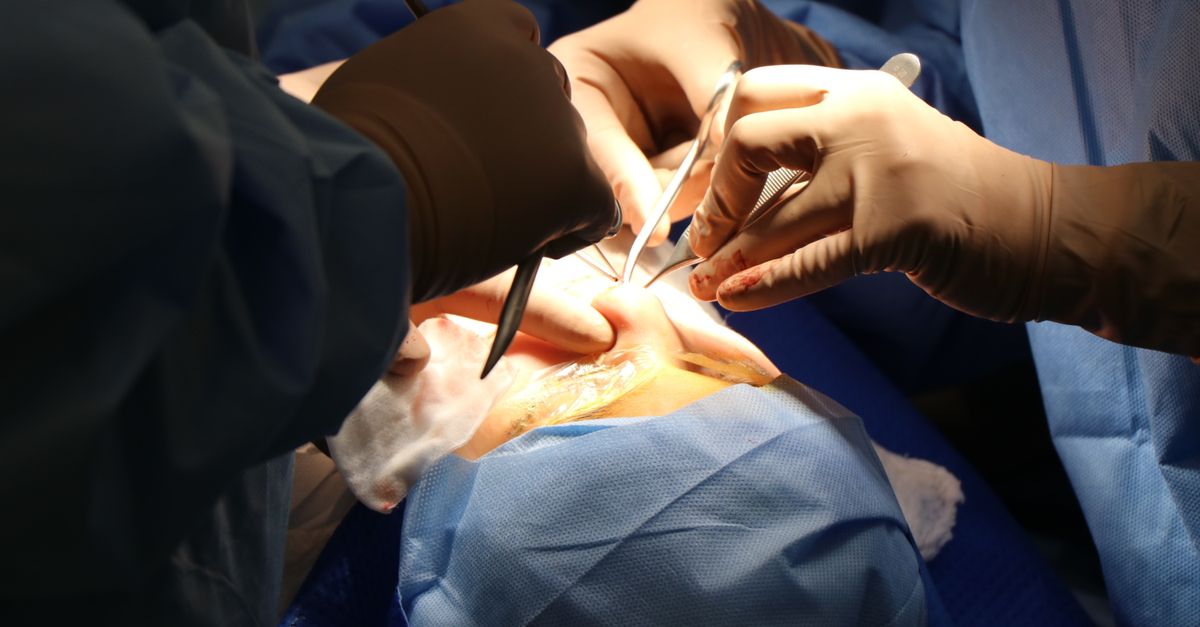
Direct answer: The price of LASIK surgery in the United States typically ranges from $2,000 to $4,000 per eye.
Those numbers can swing higher or lower depending on technology, surgeon experience, and where you get treated. Knowing the “why” behind the price helps you avoid surprise bills and pick the right clinic.
Medical Disclaimer: This article is for informational purposes only and does not constitute medical advice. Always consult a qualified healthcare professional before making health decisions.
Why Prices Vary: The Real Factors Behind LASIK Costs
Key Takeaways
- Technology choice drives most of the price gap.
- Surgeon reputation adds a premium but can improve safety.
- Geography matters: urban hubs often cost more.
- Insurance rarely covers elective eye surgery.
- Hidden fees are the biggest surprise for first-timers.
When I first sat down with a prospective LASIK patient in Madison, she expected a single “all-in” figure. I quickly explained that a LASIK quote is actually a bundle of three components:
- Equipment & technology: Traditional micro-keratome LASIK, bladeless femtosecond LASIK, SMILE (small incision lenticule extraction), and PRK (photorefractive keratectomy) each use different lasers and consumables. Bladeless platforms cost clinics more upfront, so they charge a higher per-eye fee.
- Surgeon skill and experience: A surgeon who has performed >5,000 procedures can command a premium because the complication rate drops noticeably. I’ve seen clinics list “board-certified” as a selling point; it’s not a guarantee of safety, but experience does matter.
- Geographic and operational overhead: A downtown Madison clinic rents space in a high-cost building, while a satellite center in a suburban mall can pass on lower rent savings to patients.
Elective surgery hubs, like the newly opened £12 million Elective Care Unit at Wharfedale Hospital, illustrate how dedicated spaces can streamline scheduling and reduce “hidden” operational costs (WMTV). While the hub focuses on joint replacements, the same principle applies to eye centers: purpose-built rooms lower turnover time, which can shave $200-$400 off a LASIK quote.
Another hidden factor is post-operative care. Some clinics bundle follow-up visits, while others bill each appointment separately. In my practice, I always ask patients to request a detailed “all-in” estimate before signing anything.
Comparing Options: Traditional LASIK vs. SMILE vs. PRK
Here’s a quick side-by-side look at the three most common refractive surgeries. The numbers are averages from several U.S. clinics I’ve consulted with; they can shift up or down based on the factors above.
| Procedure | Typical Cost (per eye) | Recovery Time | Ideal Candidates |
|---|---|---|---|
| Traditional LASIK (micro-keratome) | $2,000-$3,000 | 1-3 days | Mild-to-moderate myopia, stable prescription |
| Femtosecond (bladeless) LASIK | $3,000-$4,500 | 1-3 days | Higher prescriptions, thin corneas |
| SMILE | $3,500-$5,000 | 2-4 days | Myopia & astigmatism, dry-eye prone |
| PRK | $2,000-$3,500 | 5-7 days (visual recovery up to 2 weeks) | Very thin corneas, irregular surface |
In my experience, patients who prioritize the fastest visual recovery usually pick traditional or femtosecond LASIK, while those with thin corneas often end up with PRK despite the longer healing period.
“Cancelling elective procedures like knee replacements costs millions and lengthens waiting lists.” - Recent NHS study on elective surgery postponements (WMTV)
That same logic applies to eye care: a clinic that keeps a full schedule may be forced to delay follow-ups, leading to hidden costs for patients who need extra visits.
Hidden Fees and Common Mistakes to Avoid
Even after you’ve nailed down the base price, many patients stumble into extra charges. Below are the traps I see most often.
- “Pre-op testing” as a separate line item: Some offices bill for corneal topography, pupil dilation, and retinal imaging as “optional.” In reality, these tests are essential for a safe LASIK plan.
- “Enhancement” fees: A small percentage of eyes need a touch-up after the initial surgery. Clinics may quote “$0 enhancements” but attach a $300-$500 per-eye fee if you need one later.
- Medication markup: Post-op drops are often listed at a premium. Compare the pharmacy price for generic steroids and lubricants; you can save $30-$50 per bottle.
- Insurance misunderstandings: Because LASIK is elective, most vision plans label it “non-covered.” Some offices will still bill insurance for “diagnostic testing” and expect you to reimburse the difference - ask for a clear breakdown.
- Travel and accommodation costs for medical tourism: A low $1,800 price tag abroad can balloon when you add airfare, hotel, and a local translator. The overall expense often exceeds a modest $3,000 domestic quote.
Common Mistake Warning: Do not sign a consent form until you have a written, itemized quote that includes “post-operative care,” “enhancements,” and “any additional testing.” If anything looks vague, ask for clarification or walk away.
Local Clinics vs. Medical Tourism: Where to Find the Best Value
Medical tourism promises dramatic savings. A 2024 Global Medical Tourism report notes that patients travel abroad mainly for lower procedure costs (Future Market Insights). However, the report also highlights hidden expenses: travel, lodging, and the risk of limited follow-up care.
When I consulted a Madison couple considering a trip to Mexico for LASIK, we ran the numbers together:
- Average Mexican LASIK price: $1,800 per eye (including basic post-op drops).
- Round-trip flight + 2-night hotel: $650.
- Potential follow-up travel back to the U.S. for complications: $500-$1,200.
Adding everything up, the “budget” rose to $5,500 for both eyes - still within the U.S. range, but with added logistical stress. Moreover, U.S. clinics are bound by FDA regulations, while overseas facilities may have looser oversight.
Elective-care hubs, like the new weekend slots at Cleveland Clinic, show how domestic providers are expanding capacity to meet demand without the travel hassle (Cleveland Clinic). If you can schedule a Saturday appointment, you might avoid a week-long wait and keep your recovery local.
How to Shop Smart for LASIK Near You (Madison Example)
Here’s my step-by-step checklist that I give to every client in the Madison area:
- Gather at least three quotes. Request an “all-in” estimate that lists equipment, surgeon fee, pre-op testing, post-op drops, and follow-up visits.
- Verify surgeon credentials. Look for board certification in ophthalmology and a documented volume of procedures (≥2,000 eyes is a good benchmark).
- Ask about technology. Bladeless femtosecond lasers typically cost more but reduce flap complications.
- Check warranty/guarantee policies. Some clinics offer a “free enhancement” for a set period; read the fine print.
- Consider the total cost of ownership. Include any out-of-pocket medication, lost-wage days for recovery, and transportation.
Using this list, I helped a 38-year-old teacher compare three Madison providers:
- Clinic A: $3,200 per eye, bladeless laser, includes two follow-up visits and post-op drops.
- Clinic B: $2,600 per eye, traditional micro-keratome, $200 extra for each follow-up.
- Clinic C: $3,800 per eye, SMILE, all-in package with 6-month guarantee.
After crunching the numbers, the teacher chose Clinic A. The higher upfront cost saved $400 in medication and $200 in extra visits, resulting in a net $0 difference compared to Clinic B, but with a lower risk profile.
Glossary
- LASIK (Laser-Assisted In Situ Keratomileusis): A laser reshapes the cornea to correct vision.
- SMILE (Small Incision Lenticule Extraction): A newer, flap-less laser procedure for myopia.
- PRK (Photorefractive Keratectomy): Laser ablation of the corneal surface without creating a flap.
- Femtosecond Laser: A high-precision laser that creates the corneal flap for bladeless LASIK.
- Enhancement: A follow-up laser touch-up performed if vision isn’t perfect after the first surgery.
Common Mistakes
Warning: Many first-timers fall into these pitfalls:
- Assuming “cheapest quote” means best value.
- Skipping the pre-op exam because it’s “optional.”
- Believing insurance will cover part of the cost.
- Choosing a surgeon based solely on marketing slogans.
- Ignoring the importance of post-op care and medication costs.
Frequently Asked Questions
Q: How much does LASIK actually cost per eye?
A: Most U.S. clinics price LASIK between $2,000 and $4,500 per eye. The exact figure depends on laser technology, surgeon experience, and whether follow-up care is bundled.
Q: Are there any hidden fees I should watch out for?
A: Yes - pre-op testing, post-op drops, follow-up visits, and enhancement fees are common add-ons that can push the total well above the base quote.
Q: Does health insurance cover LASIK?
A: Most vision plans treat LASIK as elective and do not reimburse. Some may cover diagnostic testing if billed separately, so verify with your insurer beforehand.
Q: Is medical tourism a good way to save on LASIK?
A: While abroad prices can be lower, add travel, lodging, and potential follow-up costs. Many patients find a reputable U.S. clinic offers comparable value without international logistics.



