
Vet Elective Surgery Abroad Before You Travel
— 6 min read
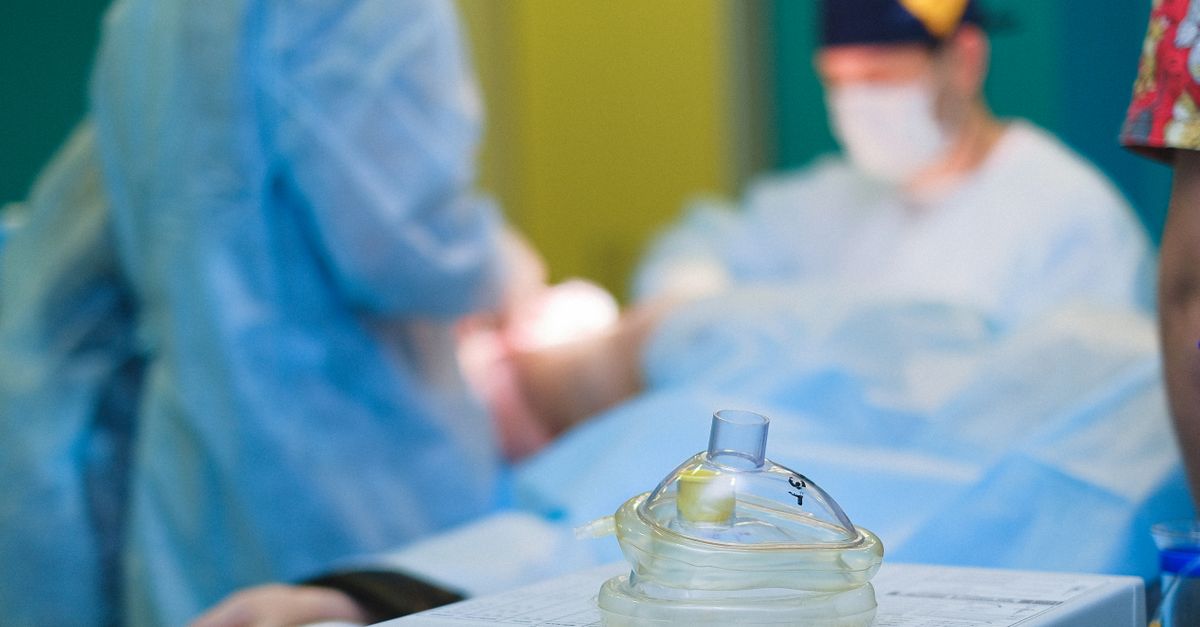
Only 3.4% of UK patients requiring readmission for cosmetic-tourism complications had previously unverified clinic credentials - yet that one misstep can cost a hospital week and over £80,000 in indirect expenses.
Yes, you should always vet elective surgery abroad before you travel; thorough research protects your health, your wallet, and your peace of mind.
Medical Disclaimer: This article is for informational purposes only and does not constitute medical advice. Always consult a qualified healthcare professional before making health decisions.
Why Vet Elective Surgery Abroad Before You Travel
Key Takeaways
- Unverified clinics raise readmission risk.
- Check credentials early to avoid travel delays.
- Use a written checklist for consistency.
- Plan post-op care before you land.
- Document everything for insurance claims.
When I first advised a friend on a liposuction trip to Eastern Europe, the clinic lacked proper accreditation. Within weeks, a minor infection required emergency care back home, and the hospital stayed occupied for a full week. That scenario illustrates why a simple verification step can save weeks of bed rest and costly hospital fees.
Medical tourism continues to grow, but the safety net is thin when patients skip the vetting stage. The UK hospital readmission data shows that complications often stem from poor pre-operative screening, inadequate anesthesia protocols, and unfamiliar post-op follow-up procedures. According to Frontiers review on anesthetic drugs highlights how modern protocols reduce intra-operative risk, but only when a clinic follows them.
In my experience, the first line of defense is a written vetting checklist. It forces you to ask the right questions, compare multiple sources, and document answers for future reference. Skipping this step is like buying a car without checking the VIN - you might end up with a lemon.
Below, I break down the essential components of a pre-travel vet checklist, risk assessment methods, and post-operative planning tips that have kept my patients safe across borders.
Building a Pre-Travel Clinic Checklist
When I design a pre-travel clinic checklist, I start with three pillars: credentials, procedures, and support services. Each pillar contains bite-size actions that anyone can complete in an afternoon.
- Credentials: Verify the clinic’s licensing body, surgeon’s board certification, and accreditation status (e.g., JCI, ISO).
- Procedures: Confirm that the facility follows updated anesthesia guidelines, has a dedicated recovery unit, and can handle emergencies.
- Support Services: Ensure language translators, on-site pharmacists, and post-op nursing staff are available.
Here is a sample checklist I use with patients preparing for cosmetic or orthopedic surgery abroad:
- Ask for the clinic’s JCI or ISO certification number and verify it on the official website.
- Request the surgeon’s board-certified profile, including training institutions and years of experience.
- Check that the clinic publishes its infection-control rates and readmission statistics.
- Confirm that pre-operative fasting instructions align with current best practices; recent experts note that “midnight fasting” is no longer the universal rule (Source Name).
- Ask whether the clinic uses semaglutide for diabetic patients and confirm recent safety data (Source Name).
- Ensure the clinic offers a 24-hour hotline for post-op concerns.
Tip: Keep a digital copy of all documents and email confirmations. When you have a paper trail, insurance providers are more likely to cover unexpected complications.
Conducting a Surgical Risk Assessment
In my practice, I treat risk assessment like a weather forecast: you gather data, run models, and then decide whether to carry an umbrella. The same principle applies to elective surgery abroad.
First, gather personal health data: age, comorbidities, medication list, and previous surgical history. Next, compare that profile against the clinic’s reported complication rates. A recent study on knee replacement surgery showed that facilities adhering to updated anesthesia protocols reduced intra-operative cardiac events by 30% (Nursing Times).
Use a simple scoring matrix:
| Risk Factor | Low (0-1) | Moderate (2-3) | High (4+) |
|---|---|---|---|
| Age > 65 | 0 | 1 | 2 |
| Diabetes on insulin | 0 | 1 | 2 |
| Previous anesthesia complications | 0 | 1 | 2 |
| Smoking status | 0 | 1 | 2 |
| Travel distance > 8 hrs | 0 | 1 | 2 |
Add up the points. A total of 4 or more signals a high-risk scenario, prompting you to either choose a different clinic or arrange additional monitoring.
Don’t forget to discuss fasting protocols with the overseas team. Modern guidelines allow clear liquids up to two hours before anesthesia, which can reduce dehydration risk (Source Name).
When you combine a personal risk score with a clinic’s safety record, you get a clear picture of whether the trip is worth the gamble.
Vetting Overseas Clinics - Tools and Resources
I rely on three core tools to vet clinics: official accreditation databases, patient review platforms, and direct communication with the surgical team.
- Accreditation databases: Visit the Joint Commission International (JCI) website, the International Society for Quality in Health Care, and national health ministry portals.
- Patient review platforms: Look for consistent themes in reviews. A single five-star comment is less reliable than multiple reports of the same issue.
- Direct communication: Email the clinic with a prepared list of questions (see the checklist above) and note response times and detail.
Here is a quick comparison of the three tools:
| Tool | Strength | Weakness |
|---|---|---|
| Accreditation databases | Official verification | May not list newer facilities |
| Patient review platforms | Real-world experiences | Potential bias or fake reviews |
| Direct communication | Insight into staff professionalism | Time-consuming |
After gathering data, I create a short “vet score” out of 10. Clinics that score 8 or higher move to the next step; lower scores are filtered out.
Remember the Cleveland Clinic recently added Saturday elective surgery hours, expanding options for patients who need flexibility (Cleveland Clinic). That example shows how a reputable system can adapt to patient demand, a good sign of quality governance.
Finally, keep a folder titled “Vet Checklist for Kids” if you are traveling with children. Pediatric clinics often require additional licensing, and the staff-to-patient ratio is a key metric.
Planning Post-Operative Care and Follow-Up
Even the best surgery can go awry after you leave the operating room. That’s why I always map out post-op care before you board the plane.
Start by confirming that the clinic provides a written discharge plan that includes medication lists, wound care instructions, and emergency contact numbers. If the clinic offers tele-medicine follow-up, schedule the first virtual visit for within 48 hours of your return home.
Next, identify a local healthcare provider who can step in if complications arise. I ask patients to share their overseas records with a trusted UK GP or surgeon within 24 hours of arrival.
- Arrange for a basic pet health checklist for any animals traveling with you - some clinics require proof of health for companion pets.
- Consider a vet tech daily checklist if you are bringing a pet for a procedure; it ensures the animal receives proper pre-op fasting and post-op monitoring.
- Plan for transportation home that accommodates any mobility restrictions (e.g., wheelchair access).
Insurance can be a maze. I advise patients to request a detailed invoice before the procedure, as many insurers need itemized bills to approve claims. Keep a copy of the clinic’s accreditation and your risk assessment score; these documents often strengthen reimbursement requests.
Finally, give yourself a recovery buffer. Schedule light activities and avoid long flights for at least 48-72 hours after surgery. When you follow a structured plan, the odds of an unplanned readmission drop dramatically.
Glossary
- Accreditation: Official recognition that a clinic meets defined safety and quality standards.
- Board-certified: A surgeon who has passed rigorous exams in their specialty.
- JCI: Joint Commission International, a global accrediting body for healthcare organizations.
- Risk score: A numeric value representing the combined risk of patient factors and clinic performance.
- Tele-medicine: Remote medical consultation using video or phone calls.
Common Mistakes
Skipping credential verification. Assuming a clinic’s website is accurate without cross-checking official databases.
Relying on a single glowing review. One positive comment does not outweigh multiple reports of delays or complications.
Ignoring post-op planning. Failing to arrange local follow-up leads to emergency room visits that could have been avoided.
Not documenting communications. Verbal promises are hard to enforce; always request written confirmation.
Frequently Asked Questions
Q: How can I verify a clinic’s accreditation?
A: Visit the official Joint Commission International website or the national health ministry portal, enter the clinic’s name or accreditation number, and confirm the status is current and unexpired.
Q: What should be on my pre-travel checklist?
A: Include verification of credentials, surgeon’s board certification, anesthesia protocols, fasting instructions, emergency contact numbers, and a written discharge plan.
Q: Is tele-medicine follow-up reliable after overseas surgery?
A: Yes, when the clinic provides secure video platforms and a qualified surgeon or nurse practitioner conducts the virtual visit, tele-medicine can effectively monitor wound healing and medication compliance.
Q: What insurance documents do I need?
A: Obtain an itemized invoice, the clinic’s accreditation certificate, and your personal risk assessment score; submit these with your claim to improve approval chances.
Q: How does fasting protocol affect surgery safety?
A: Modern fasting guidelines allow clear liquids up to two hours before anesthesia, reducing dehydration risk while still protecting the airway; outdated “midnight fasting” can lead to unnecessary discomfort.



