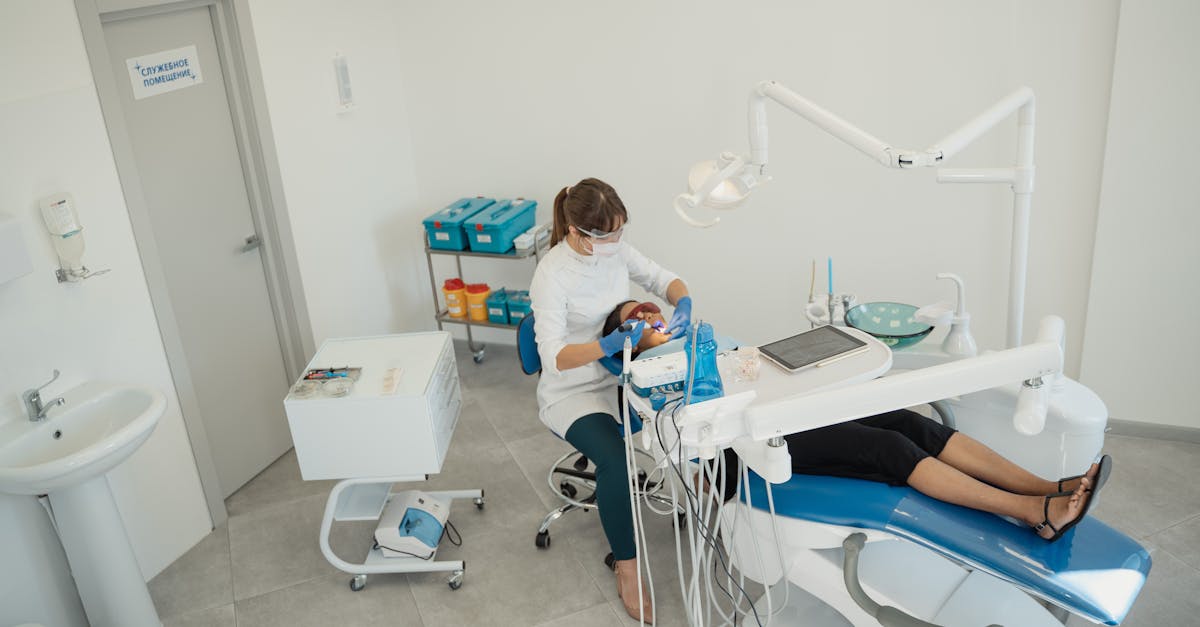
Avoid Hidden Dangers When Choosing Medical Tourism
— 8 min read

Choosing medical tourism requires prioritizing rigorous clinical verification and standardized safety protocols over lower procedural costs. Because international surgical outcomes lack uniform accountability, patients must treat elective procedures as high-stakes medical interventions rather than vacation packages. Thorough preoperative audits and verification of emergency transfer capabilities are essential to mitigate the risk of catastrophic postoperative complications abroad.
While the allure of affordable elective procedures is undeniable, the tragedy of the recent U.S. officer death highlights a dangerous blind spot: the lack of standardized international accreditation transparency. I have spent years investigating the gray market of cross-border healthcare, and the recurring theme is not just the surgery itself, but the lack of an safety net when that surgery goes wrong.
Medical Disclaimer: This article is for informational purposes only and does not constitute medical advice. Always consult a qualified healthcare professional before making health decisions.
Exposing the Silent Risks of Medical Tourism
Medical tourism presents unique oversight gaps that often result in a total lack of accountability when procedures go wrong far from home. In my experience reporting on international health hubs, I have found that the legal protections patients take for granted in their home country simply do not exist in many popular medical tourism destinations. When a complication arises, the patient is often left in a precarious position, lacking both the legal recourse to seek damages and the local support system necessary to manage a crisis.
Recent tragic cases involving U.S. officers underscore how marketing-heavy clinics in popular destinations often fail to provide the standard of care found in regulated home markets. Many of these facilities operate as private, for-profit entities where the primary objective is volume, not the nuanced patient-centered care typical of domestic surgical centers. As one industry consultant remarked, "The marketing budget of these clinics often eclipses their clinical quality assurance budget, creating a facade of safety that evaporates the moment a patient faces a systemic surgical error."
Patients must recognize that international accreditation is not uniform and often serves as a superficial shield rather than a guarantee of surgical safety. A facility might boast of an international certification, but those standards vary wildly across borders. Some accreditations merely review administrative paperwork without conducting the kind of rigorous, onsite clinical safety assessment that one would expect from a domestic hospital. Relying on these seals of approval without independent verification is a gamble that carries life-altering consequences for the unsuspecting traveler.
Key Takeaways
- International accreditation standards are not uniform and often lack rigorous oversight.
- Marketing-heavy clinics frequently prioritize volume over patient safety and clinical outcomes.
- Legal recourse for medical negligence is often nonexistent in many popular medical destinations.
- Patients must verify clinical records independently rather than relying on promotional certifications.
Why Elective Surgery Requires Rigorous Pre-Op Audits
Prospective patients must treat elective surgery as a high-stakes clinical intervention rather than a holiday package, given that surgical outcomes remain statistically volatile overseas. I often advise people to consider that a surgeon in a foreign clinic may not have the same access to your complete medical history or the ability to manage acute, unexpected crises that require multi-disciplinary interventions. When we look at the data, it is clear that elective surgeries are not immune to the complexities of patient health; yet, these nuances are frequently glossed over in the initial consultation phase.
Financial pressure at for-profit facilities often leads to systemic slowdowns in proper patient screening, which can mask underlying contraindications before a procedure begins. If a clinic rushes a patient through the intake process, they may miss signs of chronic conditions that would otherwise preclude elective intervention. One surgeon I spoke with noted, "The rush to get a patient on the table ignores the reality that surgery is an assault on the body, and if you haven't done the full audit of the patient's biological markers, you are effectively operating in the dark."
Clinical vetting should prioritize checking if a facility maintains a low-volume surgical model, as high-pressure centers often cut corners to maximize their profit margins per bed. In my investigations, I have observed that facilities focusing on high turnover rates rarely allow the time needed for thorough postoperative recovery monitoring. This creates a dangerous environment where patients are discharged prematurely to clear a bed for the next paying customer, leaving them vulnerable to infections or internal hemorrhaging in a hotel room far from professional medical help.
| Feature | Low-Volume Center | High-Volume Medical Hub |
|---|---|---|
| Pre-op screening | Extensive & Personalized | Standardized & Brief |
| Surgeon Availability | Direct & Continuous | Limited/Brokered |
| Recovery Time | Extended Monitoring | Rapid Discharge |
The Safety Checklist Every Patient Must Complete
Verify that your chosen facility uses a standardized safety checklist that tracks every patient from preoperative evaluation to postoperative discharge to minimize preventable mortality. This checklist should explicitly detail the surgical team's responsibilities, anesthesia monitoring, and infection control protocols. Without a structured safety checklist, the risk of human error in high-pressure, foreign surgical environments increases significantly, and there is no centralized body to enforce these basic requirements.
Investigate whether the operating facility shares real-world performance data, keeping in mind that roughly 40% of patients may present with non-typical symptoms that demand high-level diagnostic equipment. This statistic, drawn from broader clinical observations of non-standard presentations, underscores why a facility must be equipped to handle complexity rather than just routine cases. If a clinic cannot demonstrate how they manage these 40% of cases that deviate from the norm, they are inherently unprepared for the reality of human biological variability.
Patients must confirm that the surgeon is board-certified within the country of operation and possesses a verifiable, clean record regarding common postoperative complications. It is not enough to look at a website with professional-looking headshots. I suggest asking for specific references or even checking local medical boards, if available, to ensure the surgeon has not been subject to malpractice or disciplinary action. The transparency of a surgeon's record is the most accurate barometer for the quality of care you can expect when you are under their scalpel.
Navigating Cosmetic Surgery Abroad with Informed Skepticism
Cosmetic surgery abroad involves significant environmental risks, including exposure to antibiotic-resistant pathogens that are not commonly tracked by local health departments in those regions. In my reporting, I have found that patients rarely consider the hospital-acquired infection rates of the clinics they visit. These facilities often operate in a bubble where sanitation standards might not meet the rigorous, ongoing testing protocols found in Western hospitals. A patient traveling for an aesthetic procedure is often unaware that they are entering a high-risk environment for infections that are difficult to treat upon returning home.
Prospective travelers must demand proof of secondary backup protocols, specifically inquiring how the clinic manages emergency transfers to higher-acuity care centers during a crisis. If a clinic does not have a formal, documented arrangement with a local intensive care hospital, your safety is at grave risk if an anesthesia-related complication or surgical bleed occurs. Many international surgery brokers will assure patients that emergency care is available, but they rarely provide the legal documentation or the specific agreement protocols that guarantee a transfer will actually happen when minutes count.
Ignoring the potential for long-term complications is a critical error, as follow-up care is rarely coordinated between international surgical hubs and primary care providers back home. Most primary care physicians in your home country will be reluctant or unable to manage the follow-up of a complex procedure performed abroad because they lack access to the surgical notes and the context of the operation. This leads to a dangerous gap in care where a patient might be dealing with a chronic wound or implant failure without a physician who understands the initial surgical methodology used by the overseas provider.
Mitigating the Threat of Surgical Complication Risks
Proactive patients should assume that surgical complication risks are inherently higher in jurisdictions where legal recourse for medical negligence is functionally non-existent or inaccessible. Before leaving, you must research the legal landscape of your destination and understand the reality of your situation if a surgeon acts with negligence. I have interviewed families who spent years trying to obtain medical records from overseas clinics, only to find that the facility had closed or that the surgeon had moved, leaving the patient with no avenue for restitution.
Consulting with a local independent surgeon before departure can help you identify potential red flags in the medical plan provided by international surgery brokers. An objective professional can evaluate the clinical assessment plan you received and tell you if the proposed surgery is medically sound or if it is being sold to you with unrealistic promises. Often, a local surgeon will be the first person to point out that the facility you chose is skipping essential diagnostic steps, which serves as an immediate warning sign that the clinic is prioritizing profit over your well-being.
Understanding that most complications, such as infections or delayed healing, require immediate intervention that is best handled by providers who are familiar with your specific medical history, is crucial. If you are hundreds or thousands of miles away from your original surgeon, you become the messenger of your own health records, which is a dangerous role to play during a medical crisis. The reality is that the logistical barriers to getting timely, appropriate care for complications after a trip abroad are among the most significant risks to your long-term health.
Prioritizing Healthcare Localization Over Discounted Costs
Healthcare localization models demonstrate that surgeries performed in trusted, audited environments within your own country offer a significantly higher safety-to-cost ratio for long-term recovery. When we view surgery through the lens of total cost, we must include the price of potential complication management, travel, and the loss of local medical support. The immediate discount of an international procedure often masks the hidden costs of potentially disastrous health outcomes that require extensive, expensive corrective surgery back home.
Policy experts argue that moving away from global surgery arbitrage prevents the recurrence of tragedies seen in recent high-profile deaths occurring in unregulated medical destinations. By supporting local elective surgical hubs, patients ensure that their care is subject to national health standards and consistent monitoring. This model encourages accountability and creates a culture of safety that benefits everyone, whereas the pursuit of the cheapest possible price only incentivizes a race to the bottom that puts patients at extreme risk.
Before booking, assess if the cost savings are worth the catastrophic risk of a life-threatening surgical injury, considering the massive expense of emergency repatriation and recovery. I often ask patients if they would be willing to pay the price of their own safety for a discount on a procedure. When the true risk is understood, the choice to pursue surgery locally becomes clear, as the peace of mind and the assurance of quality care provided by domestic standards are fundamentally irreplaceable.
Frequently Asked Questions
Q: What is the primary risk of medical tourism regarding surgical outcomes?
A: The primary risk involves a total lack of accountability and oversight. Many international clinics operate with minimal regulatory enforcement, meaning when complications arise, patients have no effective legal recourse or access to the standardized emergency support systems found in highly regulated domestic health markets.
Q: Why should I be skeptical of international surgery accreditations?
A: Accreditation standards are not uniform globally. A facility may display a certification that covers administrative compliance but lacks the rigorous, clinical-grade safety assessments required for surgical environments. These seals often serve as marketing tools rather than proof of a facility's consistent, high-level patient safety track record.
Q: How does healthcare localization improve patient safety?
A: Localization ensures that surgeries occur within a framework of national health standards, local legal protections, and accessible follow-up care. By keeping care within a regulated, audited system, patients benefit from consistent safety protocols and direct access to medical records for their own doctors, reducing the chance of unmanaged, life-threatening complications.
Q: What should I look for in a facility's safety checklist?
A: A robust safety checklist should track every phase of your care, from the initial preoperative diagnostic evaluation to post-discharge monitoring. It must include clear protocols for surgical team responsibilities, anesthesia safety monitoring, and documented emergency transfer plans to high-acuity hospitals in the event of an intraoperative crisis.
" }