
Experts Warn Against Dangerous Elective Surgery Trends
— 7 min read
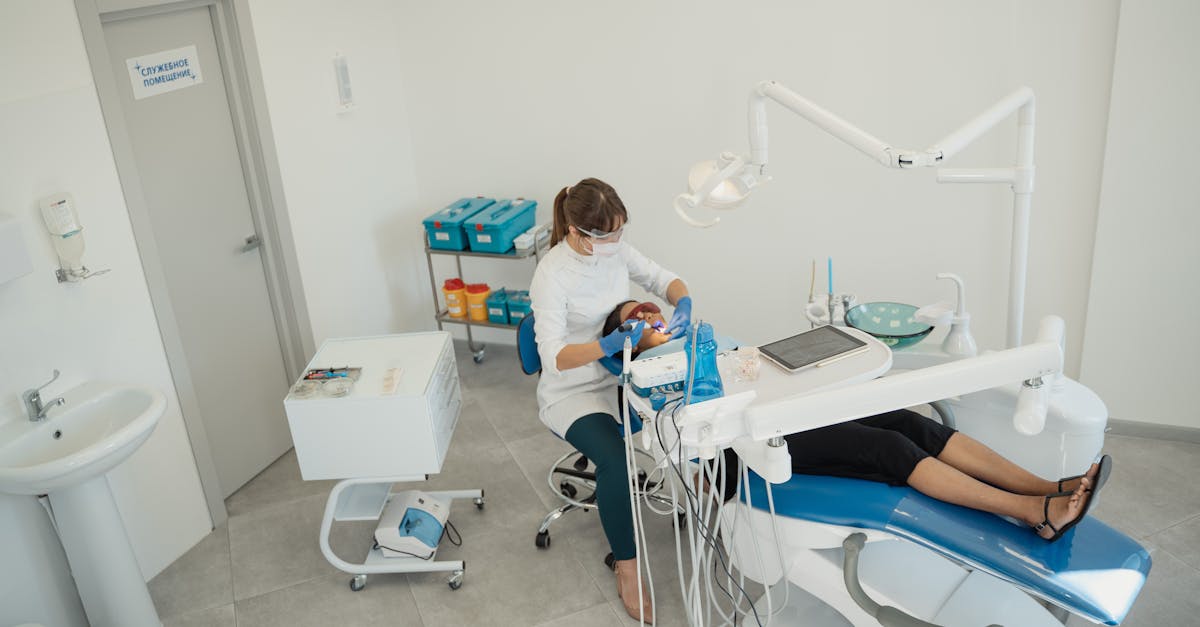
Elective surgery tourism often presents significant health risks because it bypasses essential post-operative continuity of care and local regulatory safety standards. While cost-driven travel for medical procedures may seem appealing, the lack of direct access to your primary surgical team and the physiological stress of immediate post-surgical air travel create dangerous gaps in medical safety.
You’ve booked the flight and the hotel, but what happens when you experience a surgical complication 30,000 feet above the ground on your flight home? This scenario is not a remote possibility; it is a recurring nightmare for patients who choose to separate their surgical event from their long-term clinical support system. When I speak with industry professionals, the consensus is clear: surgery is not a commodity, yet the global medical tourism market treats it as a weekend getaway.
Medical Disclaimer: This article is for informational purposes only and does not constitute medical advice. Always consult a qualified healthcare professional before making health decisions.
The Deadly Reality Of Global Elective Surgery
Key Takeaways
- Traveling for surgery severs vital links to your primary medical history.
- Continuity of care is essential for managing unexpected surgical complications safely.
- Marketing narratives often mask the severe risks inherent in invasive medical procedures.
- Localized care ensures your surgeon remains accessible during the critical recovery phase.
In my experience investigating the landscape of international surgery, the most significant danger lies in the fragmentation of the patient journey. First-time buyers often overlook the fact that traveling for surgery removes the critical safety net of having a primary care physician who understands their specific health history. When you choose a clinic in a different jurisdiction, you are essentially asking your body to undergo trauma without the benefit of a provider who knows your baseline health, allergies, or previous surgical reactions. As discussed in Perioperative optimization of Crohn's disease - Lin - 2023 - Annals of Gastroenterological Surgery - Wiley Online Library, the optimization of a patient's physiological state prior to and after a procedure is a cornerstone of successful outcomes. When surgical plans go wrong thousands of miles from home, the lack of continuity of care turns a minor complication into a life-altering medical emergency. Surgeons cannot properly assess a patient via a video call, and local doctors in your home country are often hesitant to intervene in a procedure they did not perform or understand.
The recent tragic loss of young mothers to complications abroad serves as a grim reminder that no cosmetic improvement is worth the ultimate price of human life. Industry leaders often argue that if a clinic cannot provide a seamless bridge to domestic care, it should not be performing the procedure. The emotional and physical toll of traveling while recovering is vastly underestimated by the average consumer, who is blinded by discounted pricing and vacation-style imagery. I have seen countless cases where an infection that could have been managed with a simple antibiotic change in a local setting escalated into a systemic crisis simply because the patient was in transit.
Hidden Medical Tourism Risks Exposed By Insiders
Marketing campaigns often conflate the relaxing atmosphere of a vacation with the reality of an operating room, intentionally distracting consumers from clinical safety protocols. When I interview clinic managers, they admit that the goal is to sell an experience rather than a medical outcome. This creates an dangerous imbalance of power where the patient enters the operating room with the mindset of a tourist rather than a patient preparing for an invasive medical event. The focus on recovery as a resort stay ignores the reality that surgery is a major biological intervention requiring strict monitoring and sterile environments.
Aggressive package deals fail to account for the physical toll of international flights immediately following invasive procedures, which drastically increases the risk of dangerous deep vein thrombosis. Air travel induces changes in cabin pressure and restricts movement, which are two of the most significant risk factors for blood clots following any major surgery. Furthermore, these packages often bundle the surgery with activities that the body is not physically capable of handling. Experts are now launching aggressive awareness campaigns to teach patients how to properly vet international providers before they commit to high-risk, non-essential surgical interventions. These campaigns focus on identifying the credentials of the operating surgeon, the proximity of the clinic to a level-one trauma center, and the specific after-care protocols offered to patients who are flying home.
| Factor | Localized Healthcare | Medical Tourism |
|---|---|---|
| Regulatory Oversight | Strict Domestic Laws | Variable/Often Weak |
| Emergency Access | Immediate Hospitalization | Dependent on Local Support |
| Physician Continuity | Established History | New/Disconnected |
| Legal Recourse | Available/Mandatory | Extremely Difficult |
Why Standard Post-operative Recovery Care Fails Abroad
True post-operative recovery care requires proximity to the operating surgeon, ensuring that infections or surgical site failures can be treated within minutes rather than days. When a complication arises, the first seventy-two hours are crucial for preventing long-term damage or systemic issues. In a localized setting, the patient has immediate access to the team that understands the specifics of their anatomy and the surgical technique used. Contrast this with international tourism, where the patient is frequently isolated from their medical team the moment they step onto a plane. Patients flying home frequently discover that local domestic hospitals refuse to treat foreign-performed procedures, leaving them stranded without a clinical support system.
This refusal is not merely a matter of policy, but a practical issue of liability and missing clinical data. Without access to the original operative notes, anesthesia logs, and patient history, domestic doctors are operating in the dark. Standardized monitoring equipment available in domestic clinics is often absent in 'sun and sea' facilities, preventing the early detection of hematomas or systemic post-op issues. As noted in Detecting Pancreas Cancer Early; 3 Brothers, 3 Liver Transplants; IBS Developments - MedPage Today, medical outcomes are inextricably linked to the sophistication of monitoring and the speed of intervention. In the world of elective surgery, facilities that prioritize volume over safety often neglect the standard of care required to catch early warning signs of complications, leading to a higher rate of morbidity for patients who are thousands of miles from help.
The Argument For Smarter Healthcare Localization
Choosing healthcare localization ensures that your entire recovery process is managed within a single jurisdiction that adheres to strict local medical malpractice and safety regulations. In my career, I have documented the stark difference in outcomes between patients who stayed within their home network and those who sought the cheapest possible route. Localization is not just about convenience; it is about accountability and the ability to hold a provider to a recognized standard of excellence. Domestic providers offer a level of accountability that international clinics often avoid, providing patients with legal recourse if cosmetic procedure complications result in permanent injury.
The absence of such recourse in many international markets leaves patients vulnerable if a procedure is botched. Investing in local facilities keeps your clinical data centralized, allowing specialists to perform targeted follow-up care based on real-time observations of your physical healing progress. When I work with patients, I emphasize that the investment in a local surgeon is effectively an investment in your safety and long-term health. The ability to return to your clinic for a quick check-up, a wound dressing, or a follow-up assessment is a luxury that medical tourists rarely consider until it is too late. By keeping your care localized, you maintain a clear chain of responsibility and a cohesive plan for recovery that does not rely on cross-border communication or the hope that another doctor will be willing to clean up an unfamiliar complication.
Preventing The Next Cosmetic Procedure Complications Nightmare
Prospective patients must stop viewing surgery as a consumer commodity and start recognizing it as a major medical event that carries significant biological risks. This shift in perspective is the only way to avoid the catastrophic outcomes that have become increasingly common in the era of social media-driven surgery. Industry experts advise that the 'vet it before you get it' standard should be the mandatory baseline for every patient considering any form of body alteration. You must demand transparency regarding the clinic's emergency transfer protocols, as international facilities often lack direct partnerships with high-level intensive care units for surgical emergencies. Before scheduling a procedure, ask yourself: if this goes wrong, is there a formal protocol for my transfer to a major medical center, and who is responsible for the costs?
If the answer involves a vague promise of help rather than a signed, verified agreement with a hospital, you should reconsider the decision. Transparency is the bedrock of safety in medicine, and if a clinic is unwilling to provide evidence of their emergency infrastructure, they are failing their duty of care. As we continue to see advancements in surgical techniques, it is essential that the patient's focus remains on safety rather than just the aesthetic result. Remember that your health is the foundation upon which all other improvements are built. Protecting that foundation requires a commitment to rigorous vetting, localized care, and a realistic understanding of what the body can and cannot endure during the recovery phase. Do not become another statistic in the growing list of patients who learned the true cost of elective surgery too late.
Frequently Asked Questions
Q: Why is flying immediately after surgery dangerous?
A: Air travel, especially long-haul flights, poses significant risks due to reduced cabin pressure and restricted movement. These factors combine to increase the likelihood of developing deep vein thrombosis, a serious condition where blood clots form in the legs. For a patient recovering from invasive surgery, these clots can migrate, potentially leading to life-threatening complications that are difficult to manage mid-flight.
Q: Can my local doctor treat complications from surgery done abroad?
A: Many local doctors are hesitant to provide follow-up care for procedures performed internationally. They often lack the original operative notes, anesthesia records, and insight into the surgeon's techniques. This lack of critical information makes it dangerous for them to intervene, as they are unfamiliar with the specific complications or underlying issues resulting from the surgery.
Q: What is the benefit of localized healthcare for elective procedures?
A: Localized healthcare ensures your surgeon is physically accessible for any necessary follow-up or emergency care. It keeps your medical records centralized, allowing for better coordination between your primary care physician and the surgical team. Furthermore, it operates under your home country's legal and safety regulations, providing you with accountability and recourse in the event of medical negligence or complications.
Q: How can I safely vet a surgical clinic?
A: Start by verifying the surgeon's credentials and experience with the specific procedure. Demand transparency regarding their emergency transfer protocols and ensure they have a formal partnership with a local hospital. Avoid facilities that rely solely on marketing imagery; instead, look for evidence of sterile operating standards, established patient recovery protocols, and clear, written paths for managing surgical emergencies.

